Why Cabinet Quality Matters More Than Kitchen Trends
Kitchen trends change, but quality cabinetry should last for years. Well-made cabinets offer better durability, practical storage and lasting value, making them a worthwhile investment for homeowners planning a kitchen renovation. Choosing suitable materials, reliable hardware and thoughtful construction helps create a kitchen that looks great and performs well long after current trends fade.
Why Cabinet Quality Outlasts Kitchen Trends
Kitchen cabinetry is one of the most frequently used features in any home. Cupboards and drawers experience constant opening, closing and everyday wear, making construction quality essential.
While colours, finishes and decorative styles change, durable cabinets remain functional regardless of design trends. Quality materials, secure joins and dependable hardware help prevent issues such as sagging shelves, loose hinges and damaged edges.
Investing in well-made cabinetry also makes future updates easier. Homeowners can refresh handles, splashbacks or other decorative features without necessarily replacing their entire kitchen.
What Makes Kitchen Design Trends Short-Lived
Kitchen trends often focus on appearance rather than long-term practicality. Bold colours, statement finishes and distinctive hardware can look impressive initially, but preferences change as new styles emerge. Some trends also introduce maintenance challenges. For example, extensive open shelving may create a spacious appearance but requires regular cleaning and organisation.
This doesn't mean homeowners should avoid trends entirely. The key is choosing features that complement the home's character while prioritising everyday functionality. A balanced kitchen design combines personal style with practical storage, durable surfaces and a layout that remains useful as household needs change.
Materials That Support Long-Lasting Cabinetry
Cabinet materials influence durability, moisture resistance and maintenance requirements. Understanding common options helps homeowners make informed decisions.
What Materials Are Commonly Used?
Particleboard is a cost-effective engineered material commonly used for cabinet carcasses. Its performance depends on board quality, thickness and moisture resistance. Medium-density fibreboard (MDF) provides a smooth surface suitable for painted and decorative cabinet doors. Moisture-resistant grades are available for appropriate applications. Plywood consists of bonded timber layers and can provide good structural strength and screw-holding performance. Solid timber offers natural character but requires appropriate finishing and construction to accommodate changes in humidity. No single material suits every kitchen. Selection should consider the intended application, budget and environmental conditions.
Why Do Edging and Finishes Matter?
Cabinet edging protects exposed board edges against everyday wear and moisture exposure. Poorly applied edging may peel or separate over time. Finishes such as laminate, melamine, paint and timber veneer also influence cleaning requirements, appearance and surface durability. Choosing suitable finishes is particularly important around sinks and cooking areas.
Construction Methods Behind Durable Cabinets
Even quality materials can underperform without proper construction. Cabinet joins, hinges and drawer runners all contribute to structural stability and everyday reliability.
How Do Cabinet Joins Affect Durability?
Common joining methods include screws, dowels and mechanical connectors. Their effectiveness depends on material compatibility, accurate assembly and secure installation. Well-constructed cabinets should remain square and stable, with appropriately supported shelves and securely fitted panels.
Why Is Cabinet Hardware Important?
Hinges and drawer runners experience repeated movement throughout a kitchen's lifespan. Quality hinges help doors maintain alignment and operate smoothly. Drawer runners should suit the drawer's size, weight and intended use. For example, a deep drawer storing heavy cookware needs runners with an appropriate load rating. Soft-close mechanisms and full-extension runners can also improve convenience and accessibility.
How Quality Cabinetry Improves Everyday Functionality
Good cabinetry makes kitchens easier to use, not just more attractive. Practical layouts reduce unnecessary movement and keep frequently used items accessible. Deep drawers for cookware, organised pantry storage and accessible corner cupboards can improve daily routines. For example, positioning utensil drawers beside food preparation areas keeps essentials within reach, while storing pots near the cooktop makes cooking more convenient.
Understanding the connection between kitchen storage and functionality helps homeowners plan layouts around their household's needs.
Well-designed custom cabinets can also maximise awkward corners, narrow spaces and non-standard kitchen dimensions.
Choosing Timeless Design Without Losing Personality
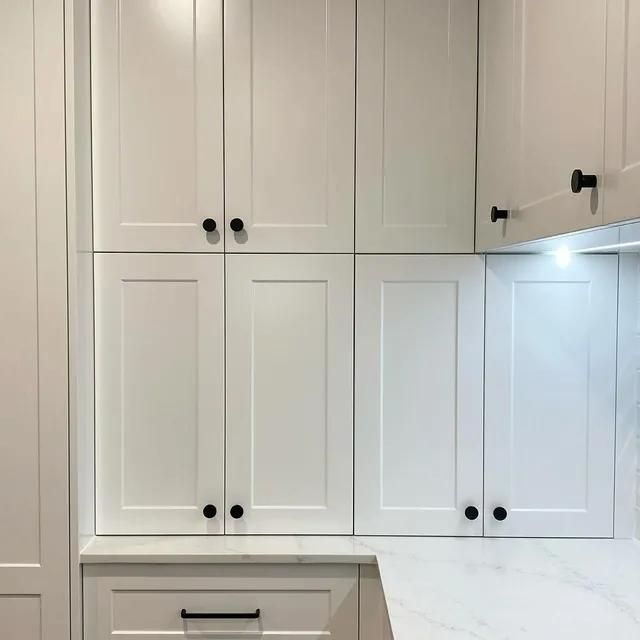
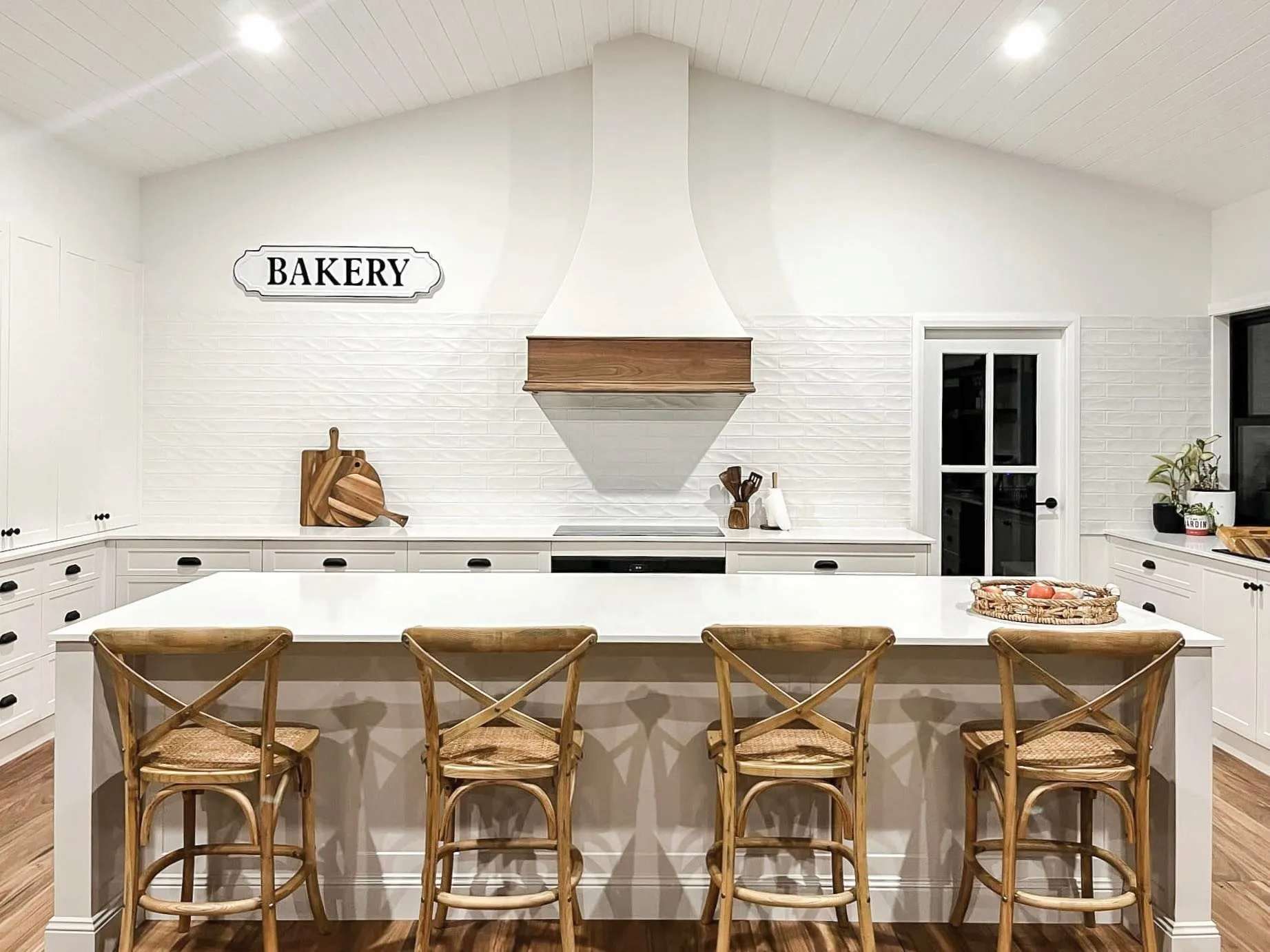
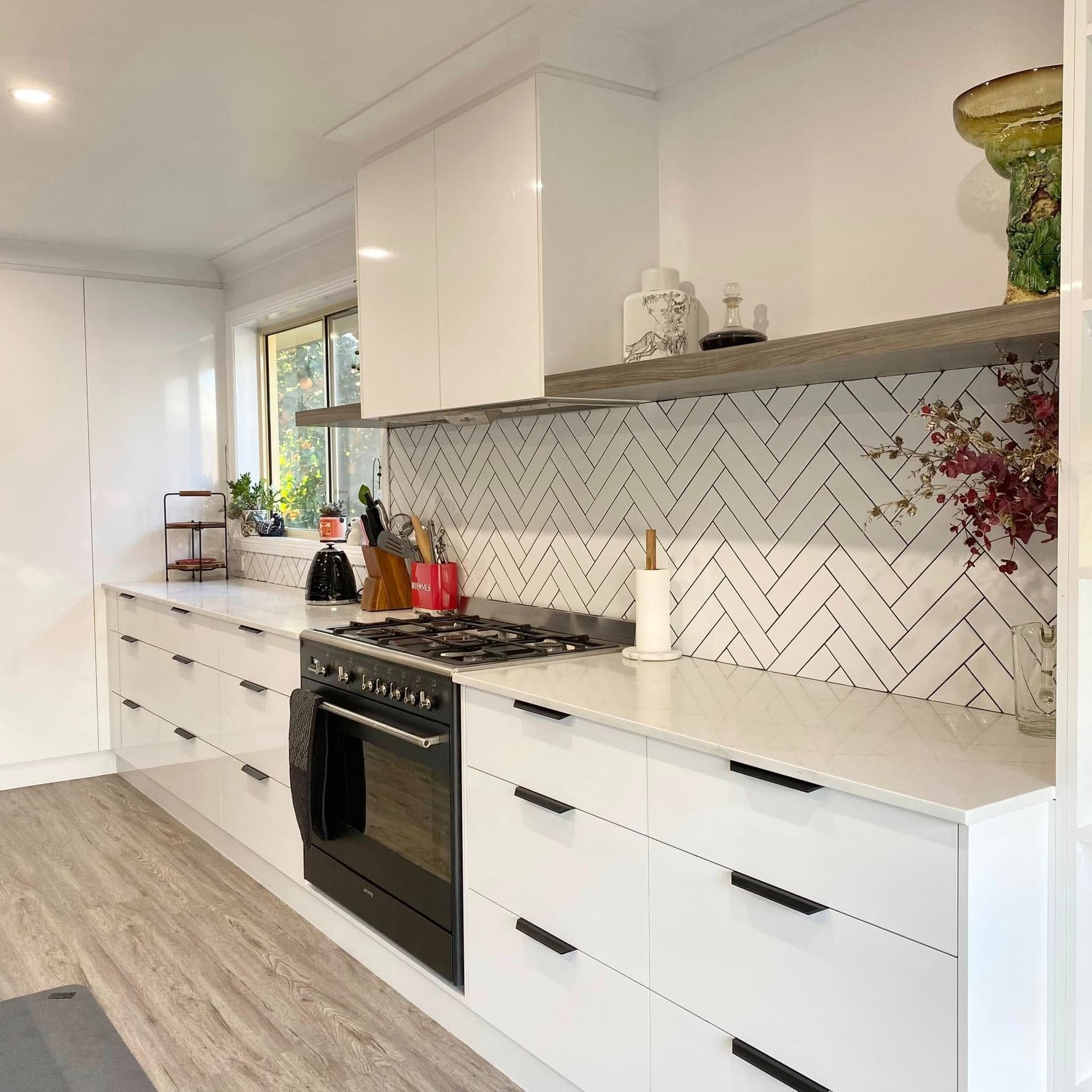
Timeless kitchens don't need to look plain. The goal is to create a design that suits the home while remaining practical and visually appealing. Neutral cabinetry can provide a versatile foundation, while handles, lighting and splashbacks introduce personality. Natural textures, balanced proportions and complementary finishes can also create a cohesive appearance.
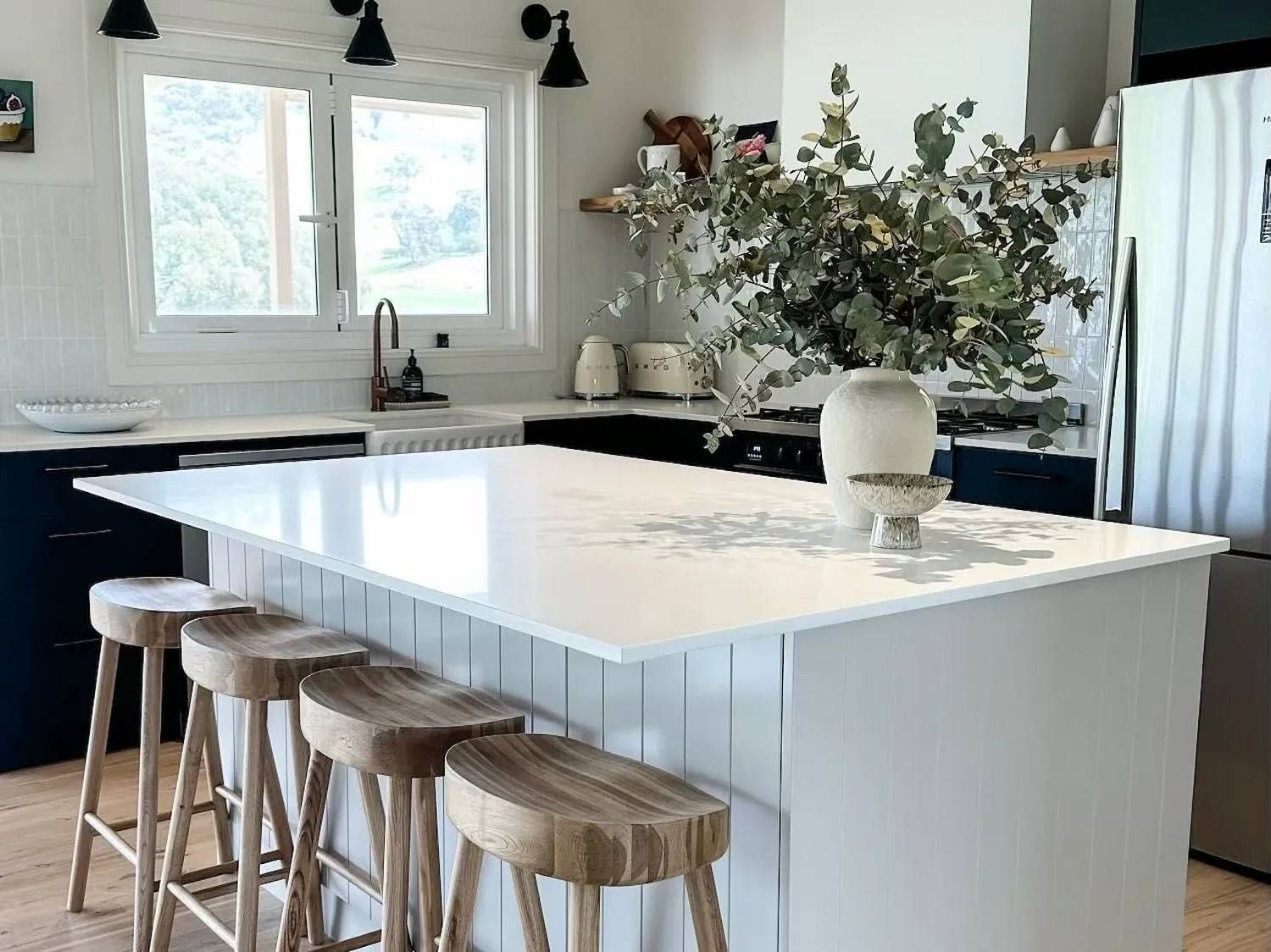
However, timeless design doesn't automatically mean white cabinets or minimalist styling. Darker colours and distinctive door profiles can work equally well when chosen thoughtfully. For homeowners considering
kitchen renovations, focusing on durable construction alongside personal style creates a kitchen that can adapt to changing preferences.
What to Ask Your Local Cabinet Maker
Choosing experienced local cabinet makers involves looking beyond appearance and price. Understanding materials, construction and installation helps homeowners compare their options confidently.
Important questions include:
- What materials do you recommend? Discuss board types, moisture resistance and suitable finishes.
- How are the cabinets constructed? Ask about joins, edging and shelf support.
- What hardware options are available? Compare hinges, drawer runners and load ratings.
- How will the design improve functionality? Consider storage placement, accessibility and available space.
- What does the quote include? Clarify design, manufacturing, installation and hardware costs.
- What warranties apply? Understand workmanship coverage and aftercare arrangements.
Visiting a showroom can also help you compare finishes and inspect cabinetry details firsthand. Kreuzer Cabinets is a locally owned business with a decade of industry experience, offering a complete design-to-installation service and a Wagga Wagga showroom.
When comparing cabinet makers in Wagga Wagga, prioritise clear communication, practical advice and cabinetry designed for everyday use. Ultimately, quality cabinetry provides the foundation for a kitchen that remains functional and attractive beyond changing trends. Suitable materials, reliable construction and thoughtful storage deliver lasting value.
If you're planning a new kitchen or renovation, contact us at Kreuzer Cabinets to discuss your cabinetry needs. Their team can help you explore design options suited to your home and lifestyle.
FAQs
What makes kitchen cabinets high quality?
Quality cabinets combine suitable materials, secure construction, dependable hardware and durable finishes. Professional installation also supports long-term performance.
What is the most durable material for kitchen cabinets?
Plywood, suitable grades of MDF and particleboard, and properly finished solid timber can all perform well. The best choice depends on moisture exposure, construction requirements and intended use.
Are custom kitchen cabinets worth it?
Custom cabinetry can maximise available space and accommodate specific storage needs. Its value depends on material quality, design and installation.
How long should quality kitchen cabinets last?
Well-made cabinets can last many years with appropriate care. Their lifespan depends on construction, materials, moisture exposure and maintenance.
Should I prioritise cabinet quality over kitchen trends?
Yes. Quality construction and reliable hardware support long-term functionality, while decorative finishes and accessories can reflect your preferred style.