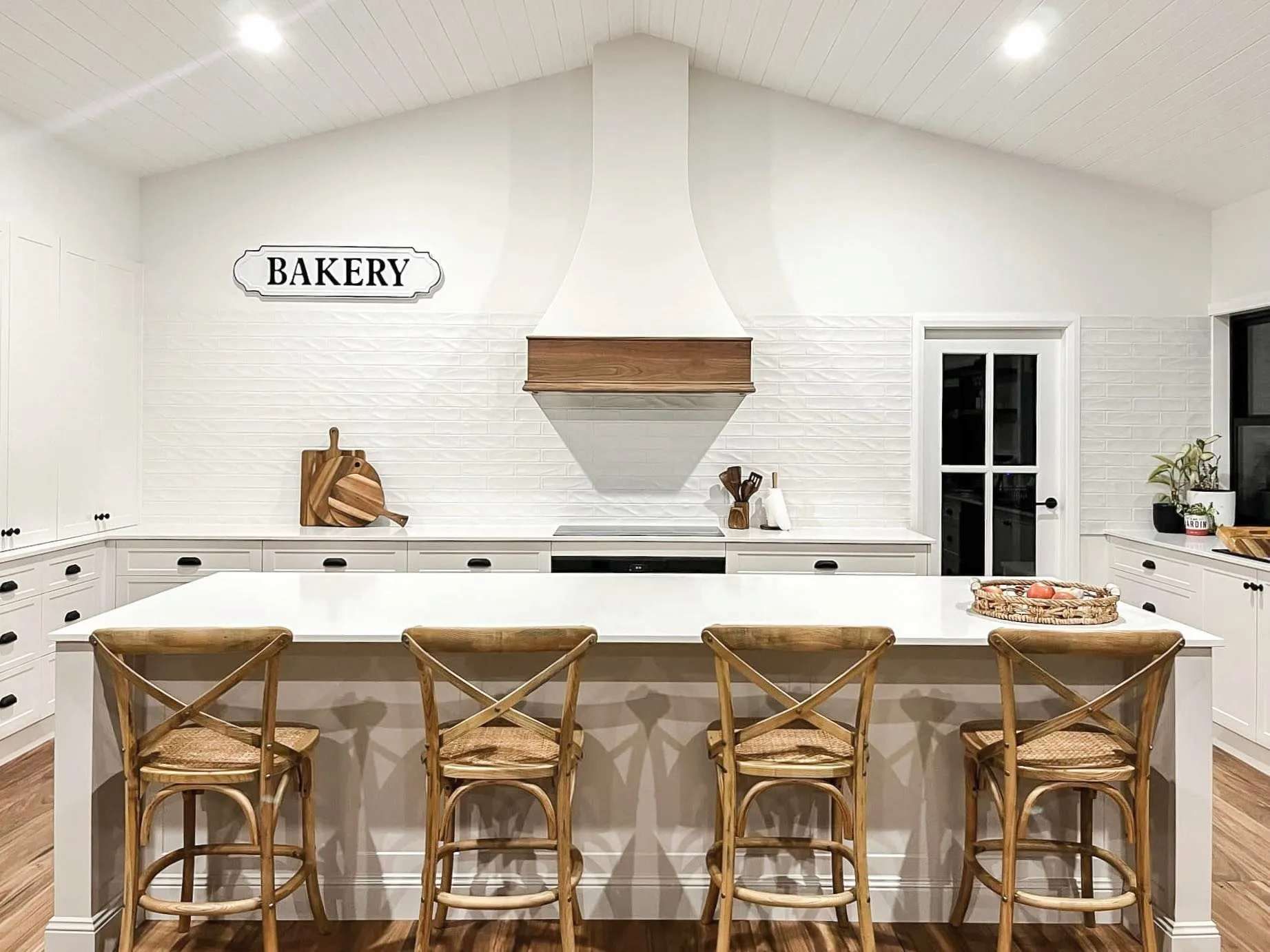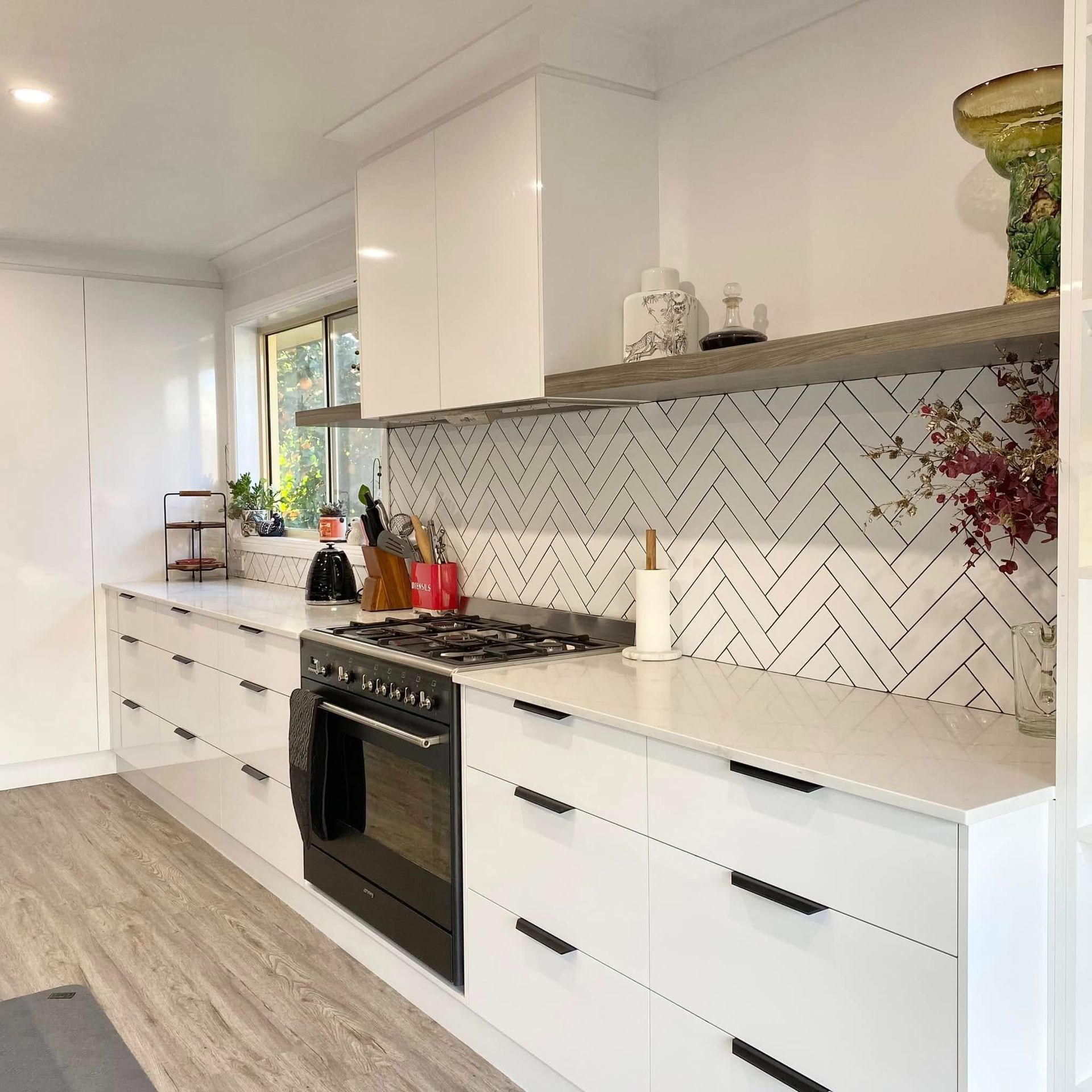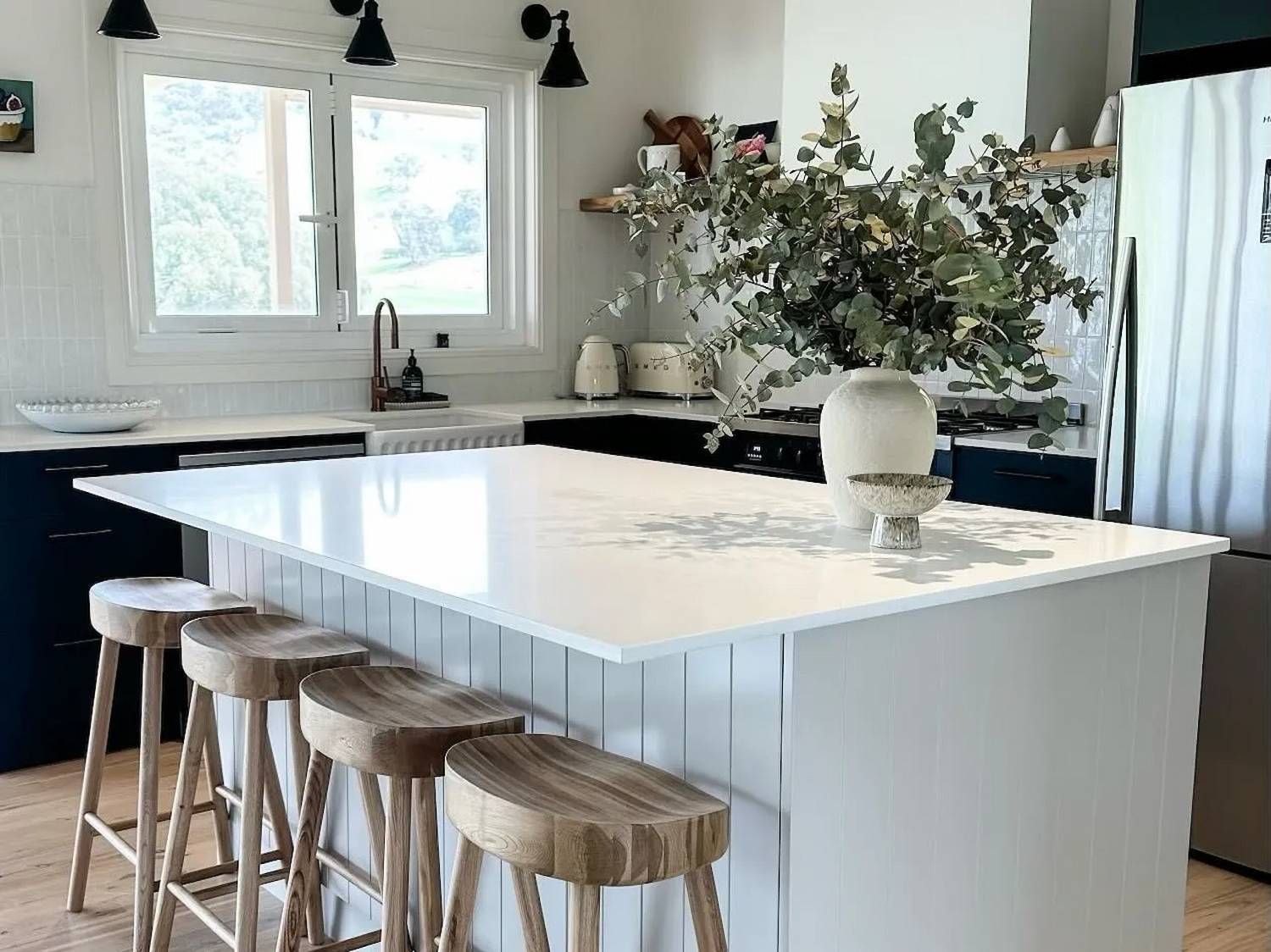
What Cabinet Finish Is Best For Australian Kitchens?
The best cabinet finish for an Australian kitchen depends on how you use the space, the look you want and how much maintenance you are prepared to take on. Laminate offers excellent practicality, polyurethane delivers a seamless painted finish, while timber veneer and solid timber bring natural warmth and character.
For Wagga Wagga and Riverina homeowners, it also pays to consider everyday wear, cleaning, sunlight and the demands of a busy household. Choosing the right finish early in your kitchen renovation helps ensure your cabinetry still looks and performs well years after installation.
Why Your Cabinet Finish Matters in a Riverina Kitchen
A cabinet finish does much more than determine colour. It affects how your kitchen handles fingerprints, knocks, spills, cleaning and daily use, as well as how easily damaged surfaces can be repaired.
Local conditions matter too. Strong sunlight through kitchen windows can affect some materials and colours over time, while seasonal temperature changes make correct construction, finishing and installation particularly important for timber products.
Your choice also has a major visual impact. Cabinet fronts occupy a large proportion of the room, so their texture, sheen and colour can determine whether the finished kitchen feels contemporary, traditional, understated or highly detailed.
An experienced
cabinet makers Wagga Wagga team can help you consider the finish alongside the cabinet construction, layout, benchtops and hardware rather than treating it as an isolated decision.
Laminate: Practical, Durable and Budget-Friendly
Laminate is one of the most practical kitchen cabinet finishes for households that want durability without moving into higher-cost painted or natural timber options. It is commonly applied to engineered board and comes in a broad range of colours, patterns, textures and woodgrain looks.
The biggest advantage is straightforward maintenance. Quality laminate surfaces generally wipe clean easily and cope well with the everyday demands of a busy kitchen when installed and cared for correctly.
Laminate can be particularly suitable for:
- Family kitchens with frequent daily use
- Rental properties and investment homes
- Renovations where cost control is important
- Contemporary kitchens with simple cabinet profiles
- Homeowners who want easy-care cabinetry
The trade-off is that laminate does not offer the same seamless painted appearance as polyurethane. Door edges and joins depend on the particular product and manufacturing method, and significant chips or damage may be harder to repair invisibly.
For example, a family renovating a busy kitchen where children regularly use the island for breakfast, homework and snacks might prioritise a quality laminate because easy cleaning and resistance to everyday wear matter more than achieving a premium painted finish.
If you're working out how cabinetry fits within your overall
kitchen renovation budget, laminate can provide plenty of design flexibility while keeping spending focused on other priorities.
Polyurethane (2Pac): A Smooth, Seamless Modern Look
Polyurethane, often called 2Pac, is a sprayed cabinet finish that creates a smooth, refined appearance. Unlike a surface material applied to the face of a door, polyurethane is a coating system that is professionally applied and cured.
One of its major design advantages is flexibility. Polyurethane can suit flat contemporary doors as well as routed or profiled designs, making it useful when you want detailing that cannot be achieved with every laminate product.
It also gives homeowners choices in colour and sheen. Depending on the system selected, finishes can range from understated matt surfaces to higher-gloss looks.
Why do homeowners choose 2Pac cabinets?
The main appeal is the premium, cohesive finish. Properly manufactured polyurethane doors have finished faces and edges without the visible edge treatment associated with some laminated doors.
Polyurethane still requires sensible care. Sharp impacts can chip the coating, and darker or high-sheen surfaces may make fingerprints, dust or minor marks more noticeable. Repairs can be possible, but matching an aged finish perfectly is not always straightforward.
It generally sits above basic laminate options in price, so it makes sense to consider whether the appearance and design flexibility justify the additional investment for your kitchen.
Timber Veneer: Natural Timber Character Without the Solid Timber Price
Timber veneer uses a thin layer of real timber over a stable substrate. Because the visible surface is genuine wood, veneer retains natural grain and colour variation rather than reproducing it as a printed pattern.
That makes timber veneer an attractive option when you want warmth and natural character without constructing every cabinet front from solid timber. It can work particularly well on feature cabinetry, kitchen islands or selected overhead cabinets.
What should you know about timber veneer?
No two pieces of natural veneer are exactly identical. Grain direction, colour and pattern vary, and those differences form part of the material's character.
Careful selection and matching during manufacture can create a deliberate visual flow across adjacent cabinet fronts. This level of planning is particularly important in minimalist kitchens, where large uninterrupted timber surfaces make grain alignment highly visible.
Veneer also requires appropriate finishing and care. Excess moisture, prolonged direct sunlight and harsh cleaning products can affect natural timber surfaces, so homeowners should follow the recommended maintenance requirements for the specific veneer and coating system.
Solid Timber: Classic Warmth With More Care Required
Solid timber cabinetry has a depth and natural variation that manufactured finishes cannot exactly reproduce. It suits traditional kitchens particularly well but can also provide contrast in contemporary designs when used selectively.
Its major advantage is authenticity. Grain patterns, knots and subtle colour differences make every timber component unique, and some solid timber surfaces can be refinished as they age.
That character comes with additional considerations. Timber naturally responds to changes in its environment and can expand or contract as moisture conditions change. Correct material selection, construction and finishing are therefore important.
Solid timber also tends to require more care than laminate. Homeowners should clean spills promptly, avoid harsh products and follow the finish manufacturer's maintenance recommendations.
For many kitchens, solid timber does not need to cover every cabinet to make an impact. A timber island, feature doors or selected details can introduce warmth while more practical materials handle high-use areas.
Cabinet Finishes Compared: Durability, Maintenance and Cost
There is no single cabinet finish that leads every category. According to industry best practice, the better approach is to compare finishes against the way the kitchen will actually be used.
| Finish | Everyday durability | Maintenance | Relative cost | Best suited to |
|---|---|---|---|---|
| Laminate | High with a quality product | Low | Lower | Busy households and value-conscious renovations |
| Polyurethane / 2Pac | Good, but can chip from impact | Low to moderate | Mid to higher | Seamless, painted and profiled designs |
| Timber veneer | Good with appropriate care | Moderate | Mid to higher | Natural timber looks and feature cabinetry |
| Solid timber | Durable but responsive to environmental conditions | Moderate to higher | Higher | Premium, traditional or timber-focused designs |
These categories are general guides rather than fixed rules. Product quality, substrate, hardware, manufacturing methods and installation all influence how finished cabinetry performs.
Cost can also vary significantly within each category. A premium textured laminate, for example, may cost more than an entry-level product in another finish category. Door profiles, cabinet quantity, internal hardware and custom details also affect the final price.
How to Choose the Right Finish for Your Home and Lifestyle
Start with the way you live rather than choosing solely from a showroom sample. A finish that looks impressive under display lighting may not be the most practical option for a household cooking several times a day.
Consider these questions:
- How heavily will the kitchen be used? Busy family kitchens may benefit from robust, easy-clean finishes such as laminate.
- How much maintenance are you comfortable with? Natural timber products generally need more consideration than low-maintenance manufactured surfaces.
- What style are you trying to achieve? Polyurethane suits seamless painted cabinetry, while veneer and solid timber introduce genuine natural grain.
- How much direct sunlight reaches the cabinetry? Discuss UV exposure when selecting colours, timber products and coating systems.
- Where should you spend your budget? Balance the door finish against benchtops, quality hardware, storage solutions and other priorities.
- Do you need a completely tailored result? Professionally designed custom cabinets allow the finish, dimensions, storage and detailing to work together rather than forcing your kitchen into standard configurations.
You can also mix materials strategically. For example, a homeowner might use durable laminate on high-use lower cabinets and introduce timber veneer to an island or overhead cabinetry for visual warmth.
The key takeaway is to match the finish to the household first and the design trend second. Laminate offers practical everyday performance, polyurethane provides a refined painted appearance, and veneer or solid timber can add natural character when you are comfortable with their care requirements.
If you're planning a new kitchen or updating an existing one,
Kreuzer Cabinets can help you compare finishes, layouts and storage options as part of a complete cabinetry design. Explore their
kitchen renovations or
contact the Kreuzer Cabinets team to discuss cabinetry suited to your Wagga Wagga or Riverina home.
FAQs
What is the most durable finish for kitchen cabinets?
Quality laminate is often chosen for demanding household kitchens because it combines good resistance to everyday wear with straightforward cleaning. However, durability also depends on the quality of the board, edging, hardware, manufacturing and installation.
Is 2Pac better than laminate for kitchen cabinets?
Neither option is automatically better. 2Pac is well suited to homeowners who want a smooth painted finish, custom colours or profiled doors, while laminate is often preferred for easy maintenance, durability and cost control.
Are timber veneer cabinets real wood?
Yes. Timber veneer uses a thin layer of genuine timber applied over a substrate, so the visible grain and natural variation come from real wood. It provides an authentic timber appearance without requiring doors to be made entirely from solid timber.
Do solid timber kitchen cabinets require more maintenance?
Generally, yes. Solid timber needs appropriate cleaning and care, and the material naturally responds to environmental changes. The exact maintenance requirements depend on the timber species and protective finish used.
Can you mix cabinet finishes in one kitchen?
Yes. Combining finishes can add contrast and help allocate materials according to how different areas are used. Timber veneer on an island paired with laminate or polyurethane cabinetry elsewhere is one example of a balanced mixed-material design.
What cabinet finish is best for a family kitchen?
For many busy family kitchens, a quality laminate is a practical choice because it is durable and relatively easy to clean. The right choice still depends on your preferred appearance, budget and how much wear different areas of the kitchen receive.